The grades and what separates them
201 is the economical austenitic grade, using manganese and nitrogen to substitute for some of the nickel. It is acceptable for indoor and dry service, and it is not the grade to specify for coastal or chemical exposure, where its lower corrosion resistance becomes the deciding factor.
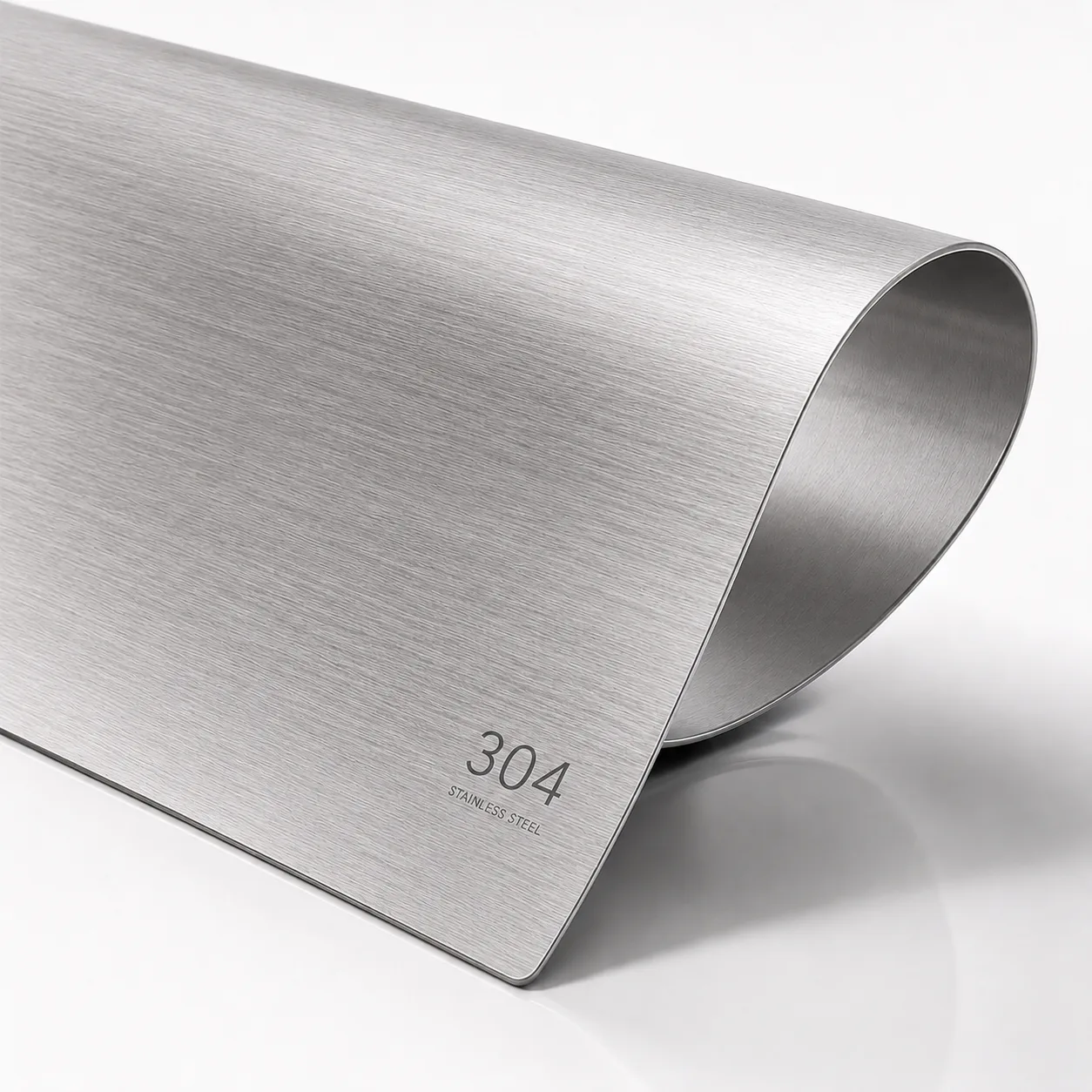
304 is the general-purpose grade: 18/8 chromium-nickel, good atmospheric corrosion resistance, excellent formability and weldability, and the default for most stainless sheet metal work. Where the environment is ordinary, 304 is the answer and the premium grades are not.
316 adds 2-3% molybdenum, which is specifically what resists chloride pitting. That is the entire justification for its higher price: marine, coastal, chemical and aggressive-washdown service. Indoors and dry, 316 is money spent on a property the part never uses.
316L is 316 with carbon capped at 0.03%, which prevents the chromium-carbide precipitation that leaves welded 316 vulnerable to intergranular corrosion. It matters on welded parts, and it matters most where a post-weld anneal is impossible.
| Grade | Molybdenum | Carbon limit | Best for |
|---|---|---|---|
| 201 | No | Standard | Indoor and dry duty, cost-sensitive parts |
| 304 | No | 0.08% max | General atmospheric service — the default |
| 316 | Yes, 2-3% | 0.08% max | Coastal, marine, chemical, washdown |
| 316L | Yes, 2-3% | 0.03% max | Welded parts in corrosive service |
How to choose
Start with the environment, not the price list. Dry and indoor: 201 or 304. Outdoors in ordinary atmosphere: 304. Chlorides anywhere in the picture — coastal air, marine duty, salt, aggressive cleaning agents: 316. Welded and corrosive at the same time: 316L, because the weld is where standard 316 is weakest.
Then check the magnetic requirement, if there is one. All four are non-magnetic when annealed, but cold working induces a slight magnetic response, and that has to be verified on the formed part rather than assumed from the grade.
Fabrication and finishing notes
All four grades laser cut and TIG weld with the same equipment, and all work-harden, so bends want a generous inside radius and a springback allowance. Laser cutting leaves a heat-affected zone and, on thicker material, a slightly oxidised edge that may need dressing where appearance or hygiene matters.
Passivation after welding is standard practice on 3xx grades in corrosive service — it removes free iron from the surface and restores the passive layer on the weld and its heat-affected zone. Where brushed or bead-blasted finishes are specified, they are applied before that step so the finish is protected rather than disturbed.