Table of Contents
How to Choose the Right Sheet Metal Material
Material selection is the single decision that cascades through every downstream process — cutting speed, bend radius, weld parameters, surface treatment options, and of course, unit cost. Engineers often default to "mild steel" or "aluminum" without specifying alloy and temper, which forces the fabricator to make assumptions that may not match the application. This guide covers the five alloy families most commonly used in sheet-metal fabrication, with the specifications you need to make an informed decision.
Carbon Steel: The Workhorse
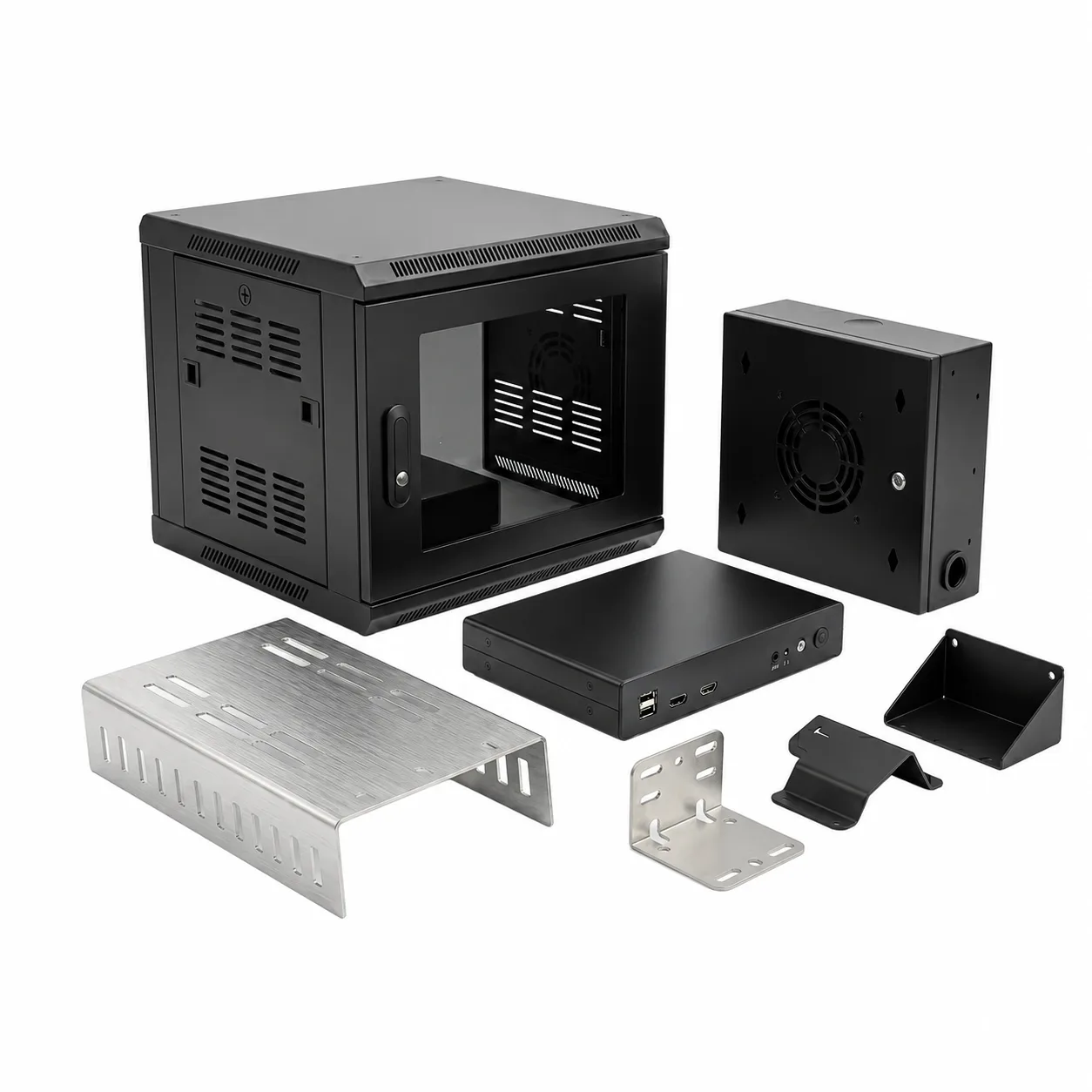
Cold-rolled steel (CRS) and hot-rolled steel (HRS) account for the majority of sheet-metal parts worldwide. CRS offers a smooth surface finish (Ra 0.8–1.6 µm), tight thickness tolerances (±0.05 mm), and excellent formability. HRS is cheaper but has mill scale, looser tolerances, and a rougher surface. For most enclosures, brackets, and structural panels, CRS in SPCC or ASTM A36 equivalent is the default choice.
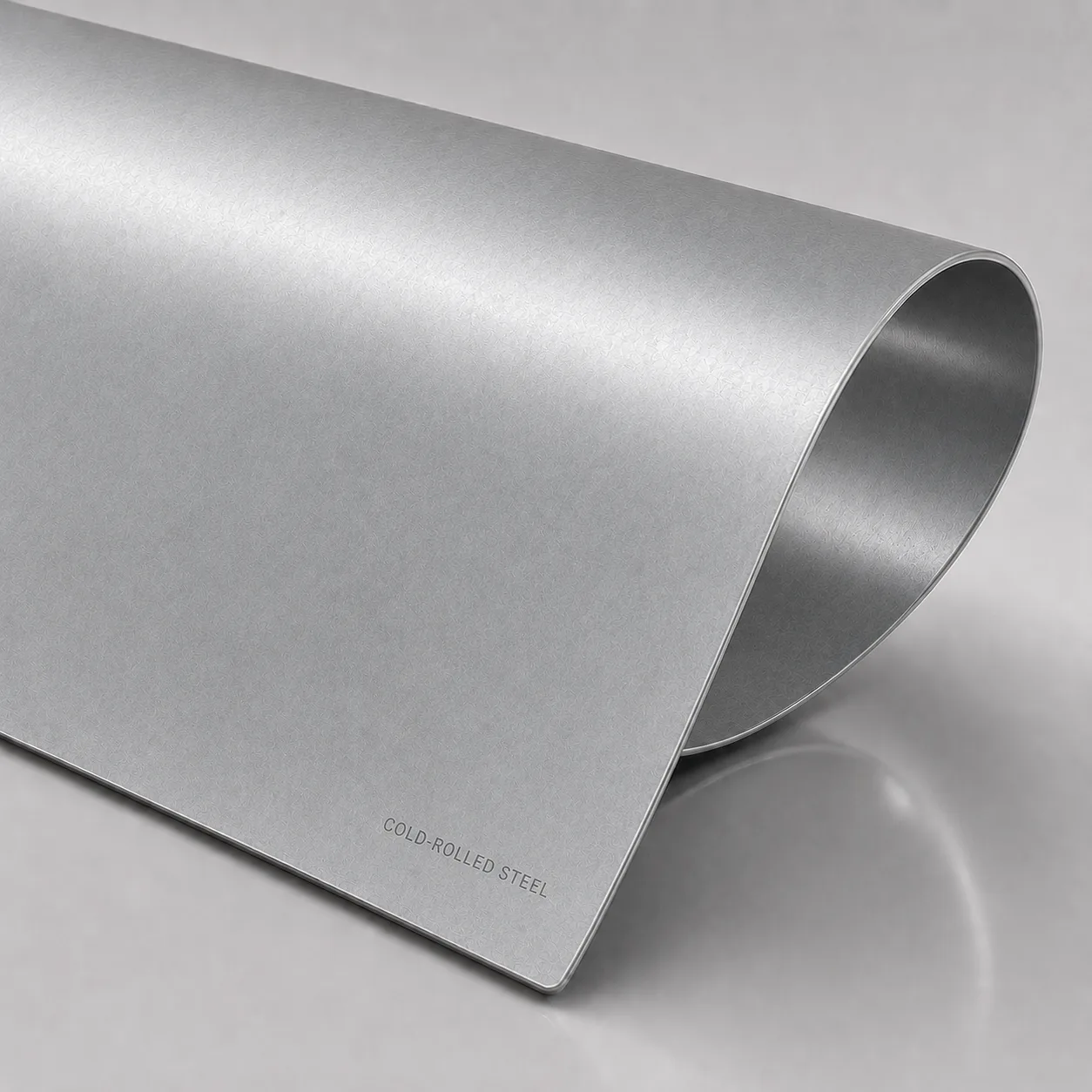
- Typical gauges stocked: 0.5, 0.8, 1.0, 1.2, 1.5, 2.0, 2.5, 3.0 mm
- Yield strength: 200–280 MPa (CRS) depending on grade and temper
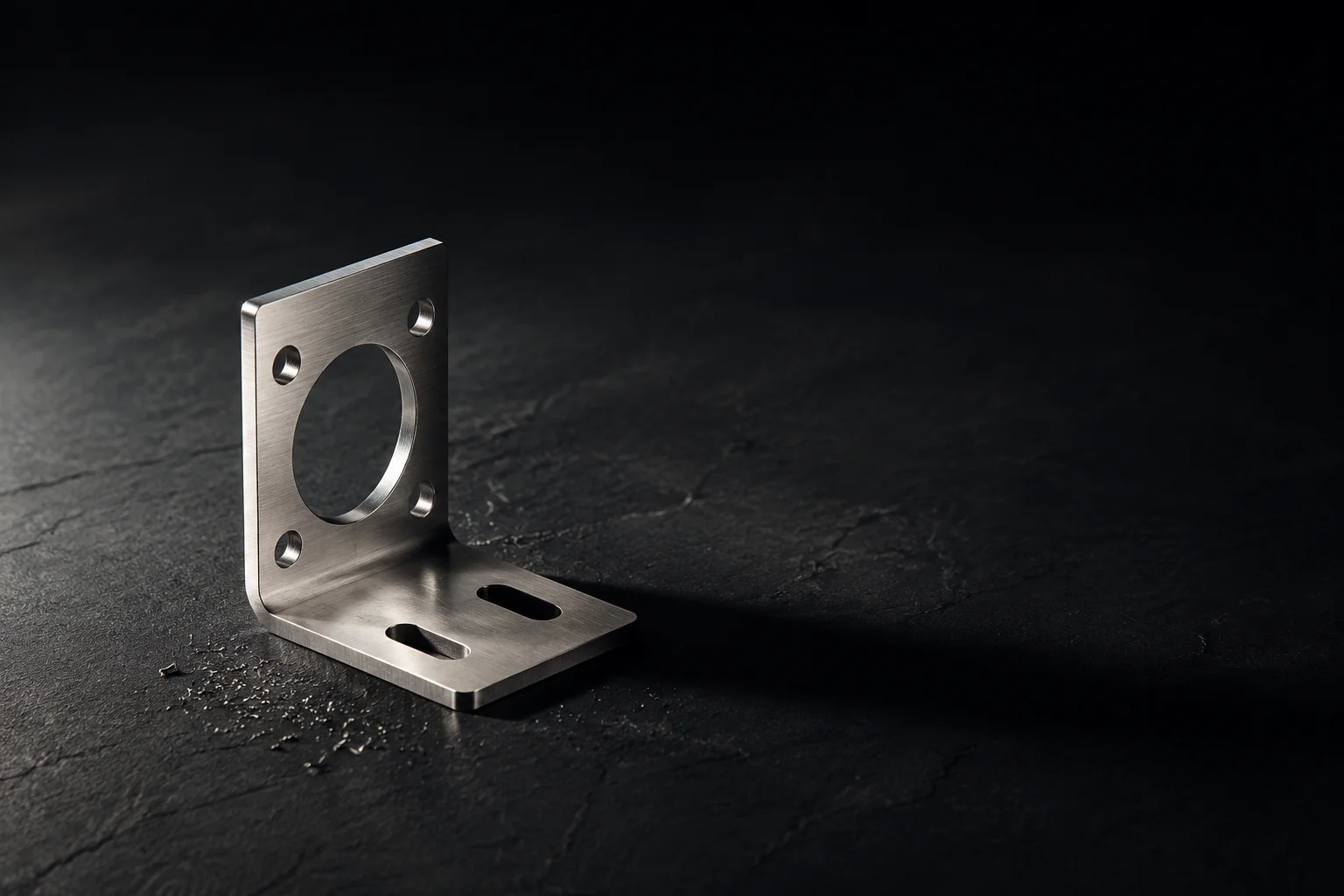
- Minimum bend radius: 0.5T–1T (perpendicular to grain)
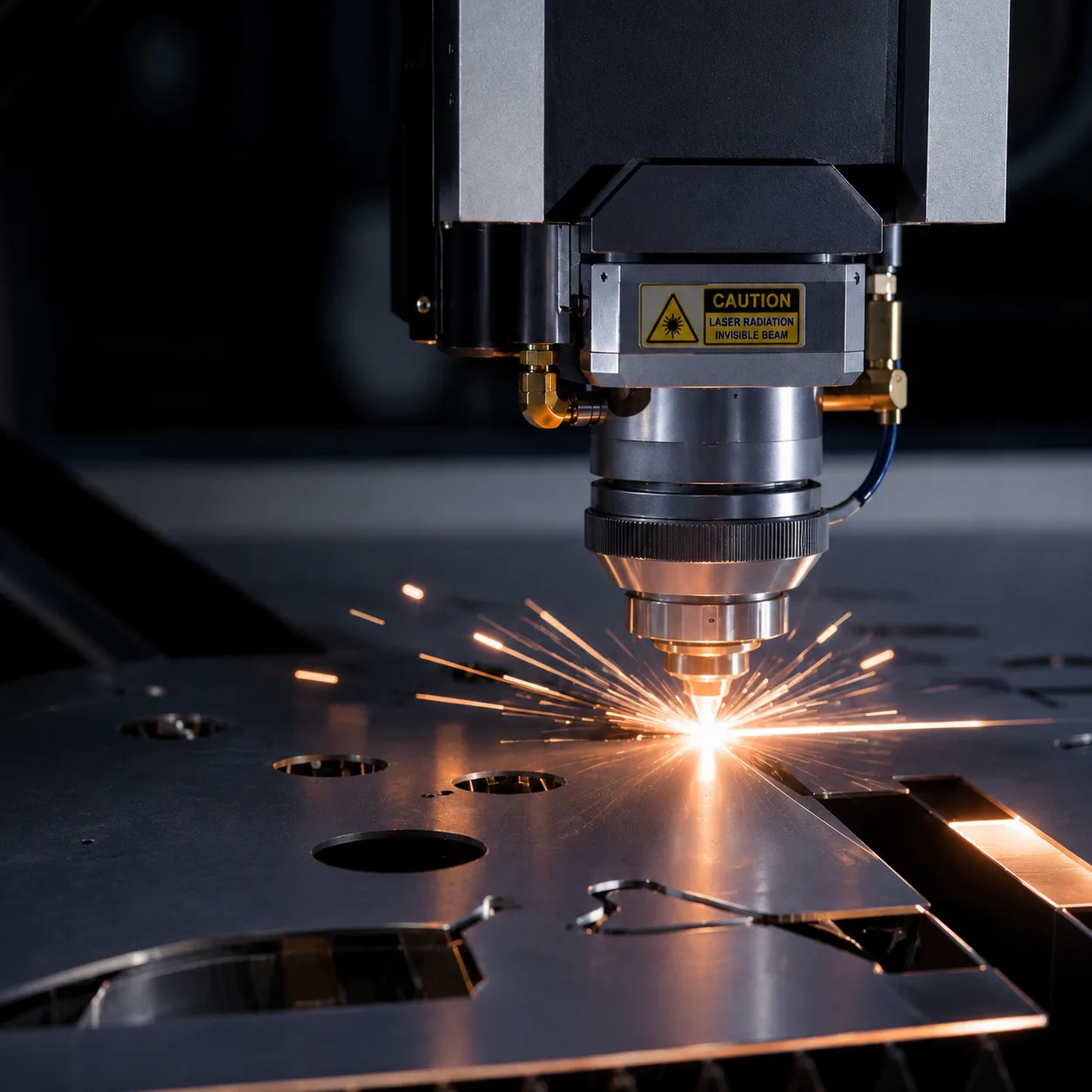
- Laser cutting: excellent — high absorption at 1064 nm, clean edge with oxygen assist
- Requires surface treatment for corrosion protection: powder coat, zinc plate, or paint
- Cost: lowest among common sheet metals ($0.80–$1.50/kg for standard gauges)
Stainless Steel: Corrosion Resistance Without Coating
Stainless steel alloys contain a minimum of 10.5% chromium, which forms a passive oxide layer that resists corrosion in atmospheric, freshwater, and many chemical environments. The two most common grades in sheet-metal work are 304 (austenitic, general-purpose) and 430 (ferritic, lower cost). 316 is specified for marine, chemical, or medical applications where chloride resistance is critical.
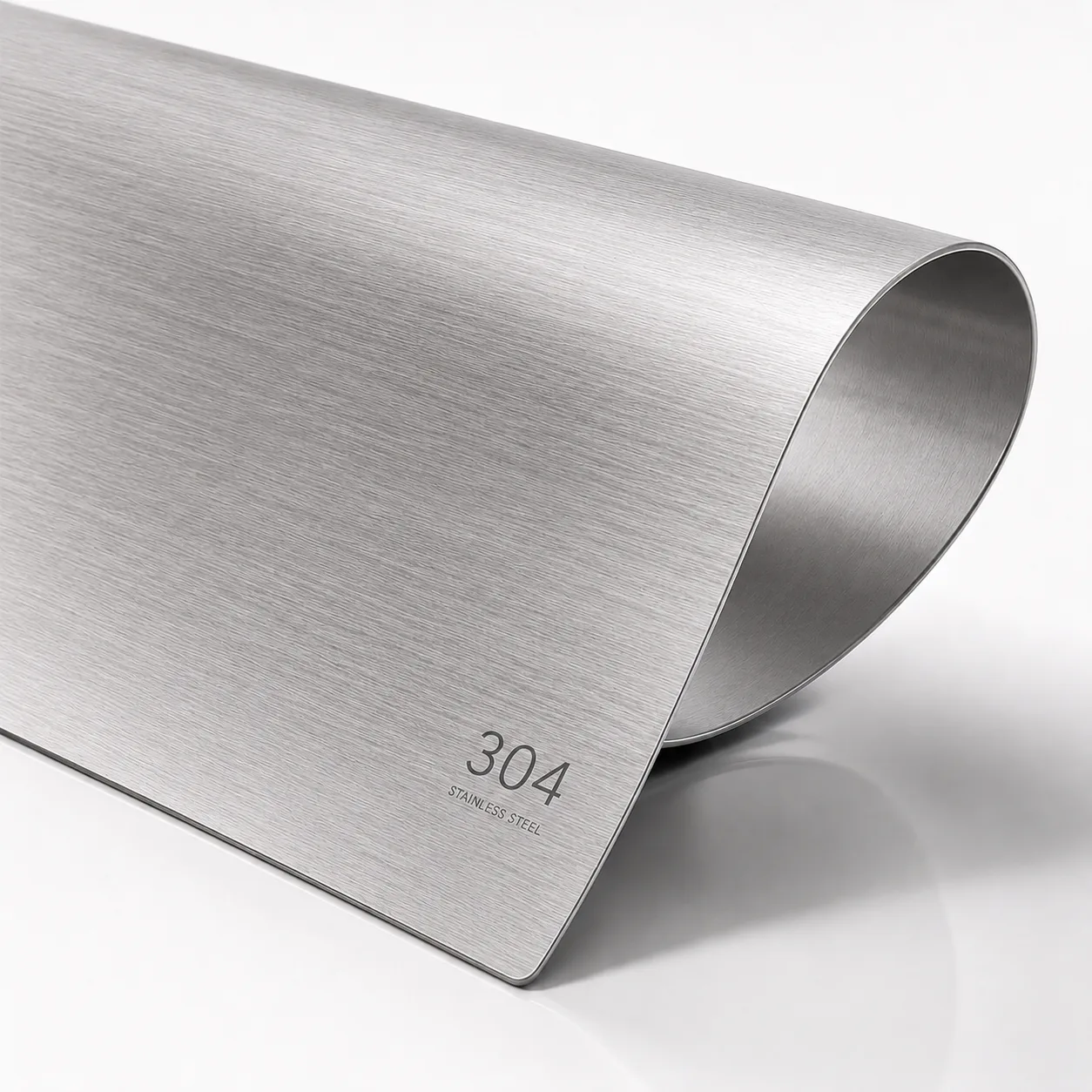
- 304 (1.4301): excellent formability, non-magnetic when annealed, 515 MPa UTS
- 316 (1.4401): added molybdenum for chloride resistance, 515 MPa UTS
- 430 (1.4016): ferritic, magnetic, lower cost, 450 MPa UTS — limited weldability
- Surface finish options: 2B (matte), No. 4 (brushed), mirror, bead-blast
- Minimum bend radius: 0.5T (304 annealed) to 4T (304 hard-temper)
- Cost: 2.5–4× mild steel — driven primarily by nickel and chromium content
Specifying "stainless steel" without the grade leaves the material choice to the fabricator. Grade 430 costs 30–40% less than 304 but has significantly lower corrosion resistance and limited weldability. Always specify the exact UNS or EN number (e.g., UNS S30400, 1.4301).
Aluminum Alloys: Lightweight & Versatile
Aluminum sheet is roughly one-third the density of steel (2.7 vs. 7.85 g/cm³) with a natural oxide layer that provides moderate corrosion protection without coating. The most common sheet alloys are 5052 (good formability, marine-grade), 6061 (higher strength, heat-treatable), and 3003 (general purpose, low cost). Aluminum cuts extremely fast on fiber lasers and bends readily when the correct temper is selected.
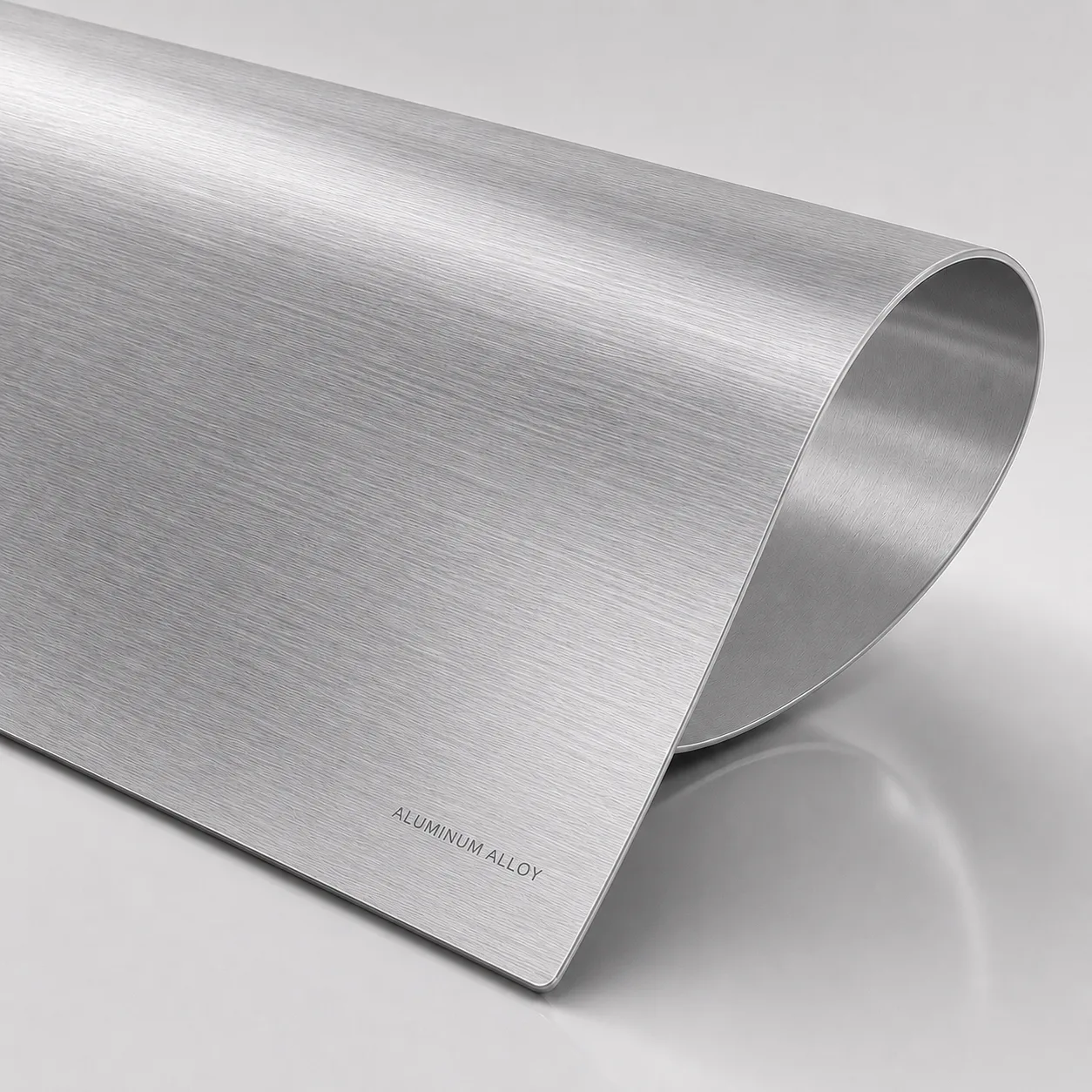
- 5052-H32: the default for formed parts — good elongation (10–12%, varies by thickness per ASTM B209), excellent corrosion resistance
- 6061-T6: higher strength (276 MPa yield) but limited formability — minimum bend radius 2T–4T
- 3003-H14: lowest cost aluminum, moderate strength, good for non-structural panels
- Anodizing compatibility: 5052 and 6061 anodize well; 3003 produces inconsistent color
- Laser cutting: highly reflective at 1064 nm — requires 2+ kW fiber source; cuts clean with nitrogen assist
- Cost: 1.5–2.5× mild steel — varies significantly with alloy and temper
Copper & Brass: Electrical and Aesthetic Applications
Copper (C110) is specified when electrical or thermal conductivity is required — bus bars, heat sinks, and RF shielding. Brass (C260, C2680) is chosen for decorative applications and machinability. Both are significantly more expensive than steel or aluminum and require adjusted laser parameters due to high reflectivity.
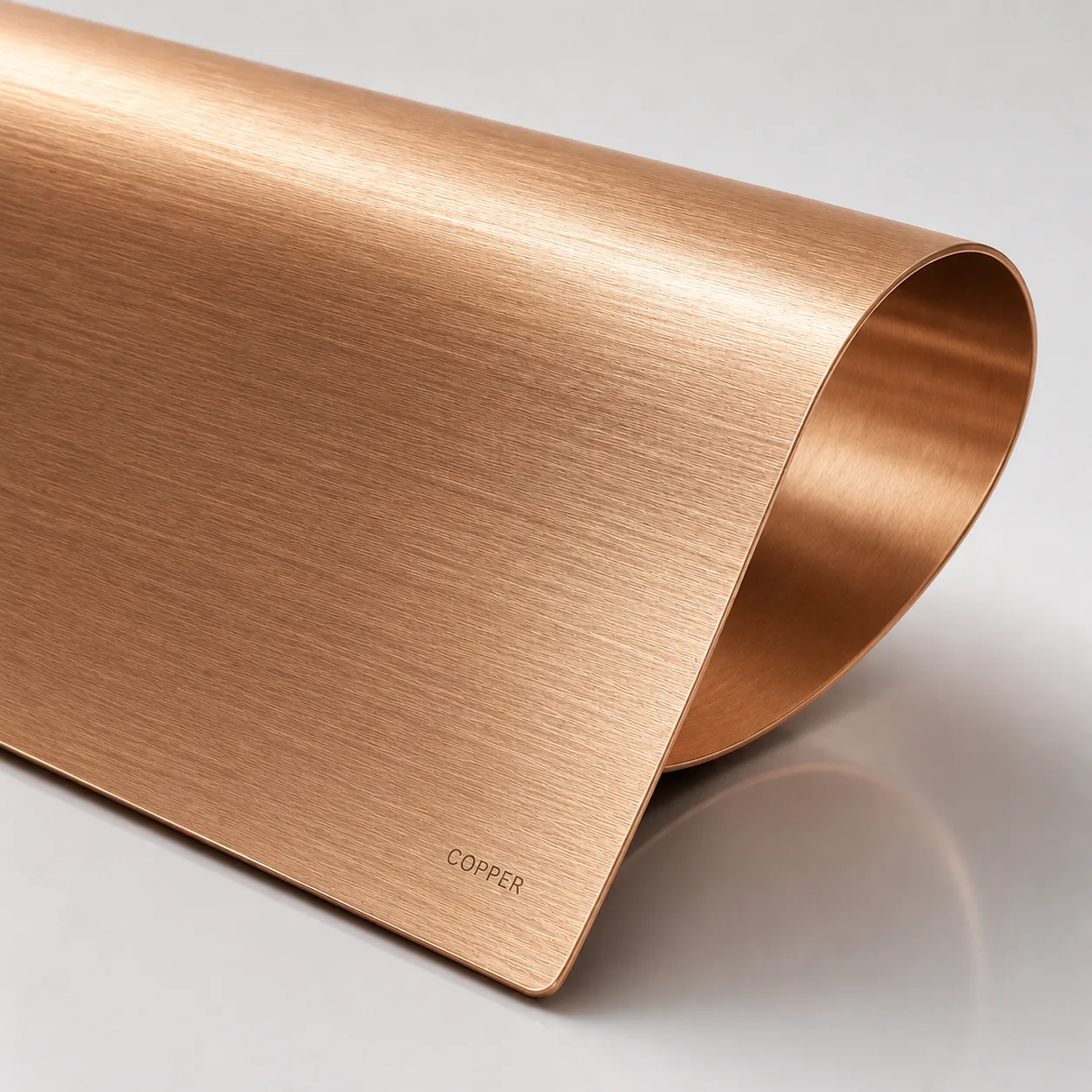
- Copper C110: 101% IACS conductivity, 220 MPa UTS, excellent formability
- Brass C260: 70/30 cartridge brass, 325 MPa UTS, good spring-back characteristics
- Laser cutting: requires high-power fiber (4+ kW minimum) due to reflectivity at 1064 nm
- Surface finish: copper develops patina naturally; clear lacquer or tin plating preserves color
- Cost: 4–8× mild steel — copper pricing is volatile and commodity-driven
Material Comparison Table
The table below compares the most commonly specified alloys across key fabrication and performance metrics.
| Property | CR Steel (A36) | SS 304 | SS 316 | AL 5052-H32 | AL 6061-T6 | Copper C110 |
|---|---|---|---|---|---|---|
| Density (g/cm³) | 7.85 | 7.93 | 7.93 | 2.68 | 2.70 | 8.96 |
| Yield Strength (MPa) | 220–280 | 205–310 | 205–310 | 193 | 276 | 70–210 |
| Min Bend Radius | 0.5T | 0.5T–1T | 0.5T–1T | 1T | 2T–4T | 0.25T |
| Laser Cut Speed (relative) | 1.0× | 0.7× | 0.6× | 1.3× | 1.2× | 0.5× |
| Corrosion Resistance | Low (needs coating) | High | Very High | High | Moderate | Moderate |
| Weldability | Excellent | Excellent | Excellent | Good (MIG/TIG) | Fair (cracking risk) | Good |
| Anodize Compatible | No | No | No | Yes | Yes | No |
| Relative Cost | 1.0× | 2.5–3.5× | 3–4× | 1.5–2× | 2–2.5× | 4–8× |
Formability & Minimum Bend Radius
Bend radius is often the deciding factor in material selection. A material with excellent corrosion resistance is useless if it cracks at the bend your design requires. The table below gives minimum inside bend radii for common alloys and thicknesses, assuming bending perpendicular to the rolling direction.
| Material | Alloy / Temper | 0.5–1.0 mm | 1.0–2.0 mm | 2.0–3.2 mm | 3.2–6.0 mm |
|---|---|---|---|---|---|
| Mild Steel | CRS / A36 | 0.5T | 0.75T | 1T | 1.5T |
| Stainless 304 | Annealed | 0.5T | 0.75T | 1T | 1.5T |
| Stainless 304 | Half-Hard | 2T | 2.5T | 3T | 4T |
| Aluminum | 5052-H32 | 1T | 1T | 1.5T | 2T |
| Aluminum | 6061-T6 | 1.5T | 2T | 2.5T | 3T |
| Aluminum | 5052-O (Soft) | 0.25T | 0.5T | 0.5T | 1T |
| Brass | C2680 Soft | 0.5T | 0.75T | 1T | 1.5T |
| Copper | C110 Annealed | 0.25T | 0.5T | 0.5T | 1T |
| Titanium | CP Grade 2 | 1.5T | 2T | 2.5T | 3T |
For flat-pattern development, the K-factor shifts the neutral axis during bending. A commonly cited starting value is 0.44 for 90° bends in mild steel; use 0.35–0.40 for harder tempers or tighter R/T ratios. Actual K-factor depends on material, bend angle, and inside radius — validate with a test bend for critical parts. Grain direction matters: bending perpendicular to the rolling direction can significantly reduce the effective minimum bend radius.
FAQ
Written by
Tom
Senior Process Engineer
Experienced manufacturing engineer specializing in sheet metal fabrication, CNC machining, and surface finishing. Writes practical guides to help engineers make informed sourcing decisions.
Ready to Start Your Project?
Get DFM feedback and a quote within 24 hours. No minimum order quantity.