
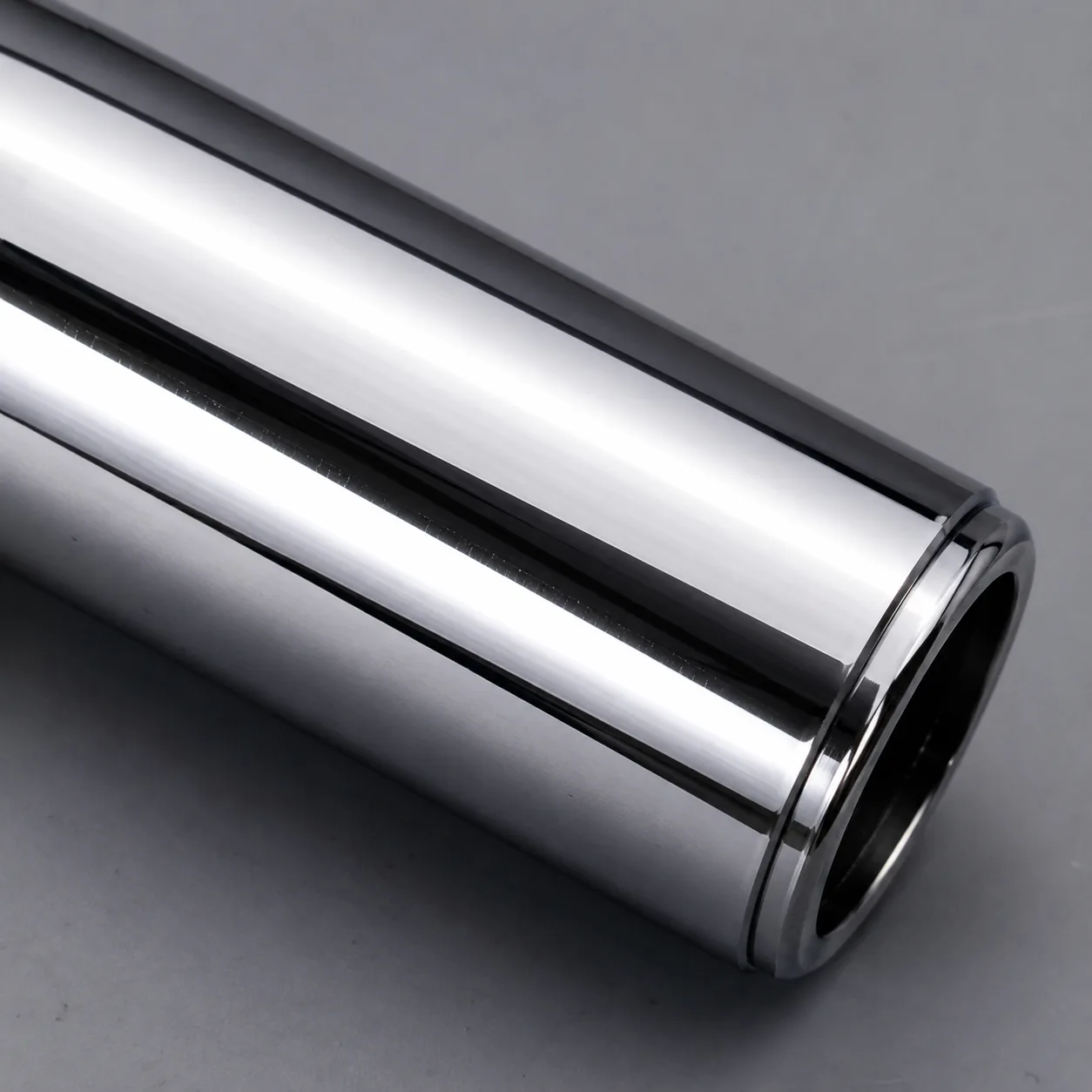
What electroplating is
Electroplating deposits metal from a solution onto a conductive part, using the part as the cathode. The deposited layer is metallurgically bonded to the substrate but remains a distinct phase, so unlike anodizing it can be thick, can be any of several metals, and does not require an aluminium substrate — though it does require the substrate to be conductive and the surface to be clean and prepared.
Plating is specified as a deposit plus a thickness class. The work is done to ASTM B633 for the zinc electrodeposit where the customer requires it, and the class and thickness are declared on the drawing and verified per batch. That declaration is the point: "zinc plated" without a class leaves the corrosion performance to interpretation.
- Deposit: zinc, zinc-nickel, nickel, tin, copper — chosen by function
- Specification: ASTM B633, with thickness class declared on the drawing
- Salt spray performance: 96–200 hrs typical, per ASTM B456
- Requires a conductive, prepared substrate — steel, copper, brass
- Post-plating bake where high-strength or high-tensile steel warrants it
Deposit by function
The deposit choice is a functional decision with a short list. Zinc is the default for steel enclosures because it protects sacrifically — the coating corrodes in preference to the part, which is why a cut edge stays protected. Zinc-nickel raises the corrosion resistance for more aggressive environments at higher cost. Nickel is a wear and appearance deposit. Tin is specified for solderability and low-resistance contact, which is why it appears on busbars and connector tabs. Copper is chosen for conductivity, or as an underlayer for a subsequent finish.
Two distinctions matter because they are routinely confused. Decorative chrome is thin and bright; hard chrome is a different specification entirely, deposited far thicker for wear. And plating a contact surface is usually a mistake — the deposit changes how the joint behaves under clamp load and can loosen over time — so contacts are masked and the rest of the part plated.
| Deposit | Why it is specified | Note |
|---|---|---|
| Zinc | Sacrificial protection for steel | The default for enclosures; cut edges stay protected |
| Zinc-nickel | Higher corrosion resistance than zinc | Higher cost; for aggressive environments |
| Nickel | Wear resistance and appearance | Often specified on hardware and inserts |
| Chrome | Hardness and decorative brightness | Decorative chrome is thin; hard chrome is a different specification |
| Tin | Solderability and low-resistance contact | Common on busbars and connector tabs |
| Copper | Conductivity, or as an underlayer | Also selects for its thermal conductivity |
Thickness class and what it means for the part
Plating thickness is declared as a class under the relevant specification, and the class is what ties the deposit to a measured salt-spray performance — typically 96–200 hrs under ASTM B456 for the common zinc classes. The number is a measured, per-batch value, not a nominal, and a drawing that omits the class cannot be verified against a batch.
Thickness is a dimensional change as well as a protection value. On a close-tolerance fit, a bearing bore or a threaded hole, the deposit reduces the dimension, and the same masking logic as anodizing applies. The features that must keep their dimension are masked, and the drawing says which.
| Instruction | Why it is there |
|---|---|
| Deposit metal | Zinc, zinc-nickel, nickel, tin or copper — the functional decision |
| Thickness class | Ties the deposit to a measured salt-spray performance |
| Contact masking | Plated contacts change joint behaviour; mask them |
| Post-plating bake | Where high-strength steel warrants it |
| Base metal | Plating is for steel, copper and brass — not aluminium in this context |
Plating against the alternatives
Plating and powder coating protect the same steel part by different mechanisms, and the choice is usually functional rather than aesthetic. Plating gives a thinner, harder, more functional layer with sacrificial or wear performance; powder coat gives a thicker colour layer that is easier to repair. Parts that carry current, make contact, or see wear are plated; parts that need a colour over a large area are coated.
On aluminium, plating is a different conversation again: aluminium parts are anodized for an integral finish, passivated for corrosion, and only plated where a specific functional deposit — such as a contact or EMI layer — is required. The base metal still decides the shortlist.
How WERIX specifies and executes it
Plating is partner-executed under our specification, inspection and delivery control. We declare the deposit, the class and the masking on the drawing, coordinate the post-plating bake where the material warrants it, and inspect before delivery. ISO 9001 is the only management-system certification held; ASTM B633 and ASTM B456 are the specifications the deposit is worked to and measured against, not certifications WERIX holds.
The engineering judgement we apply is at the specification stage: whether the deposit matches the function the part has to perform, whether the contacts and fits are masked, and whether the class specified is proportionate to the environment. A part that carries current should not be plated where it makes contact, and that is a drawing note, not a shop-floor discovery.