
Sheet Metal Material Selection: A Working Method
Material selection looks like a database question — find the grade with the right tensile strength. In practice the deciding factors are corrosion, forming and finish compatibility, and those three eliminate most of the list before cost is mentioned.
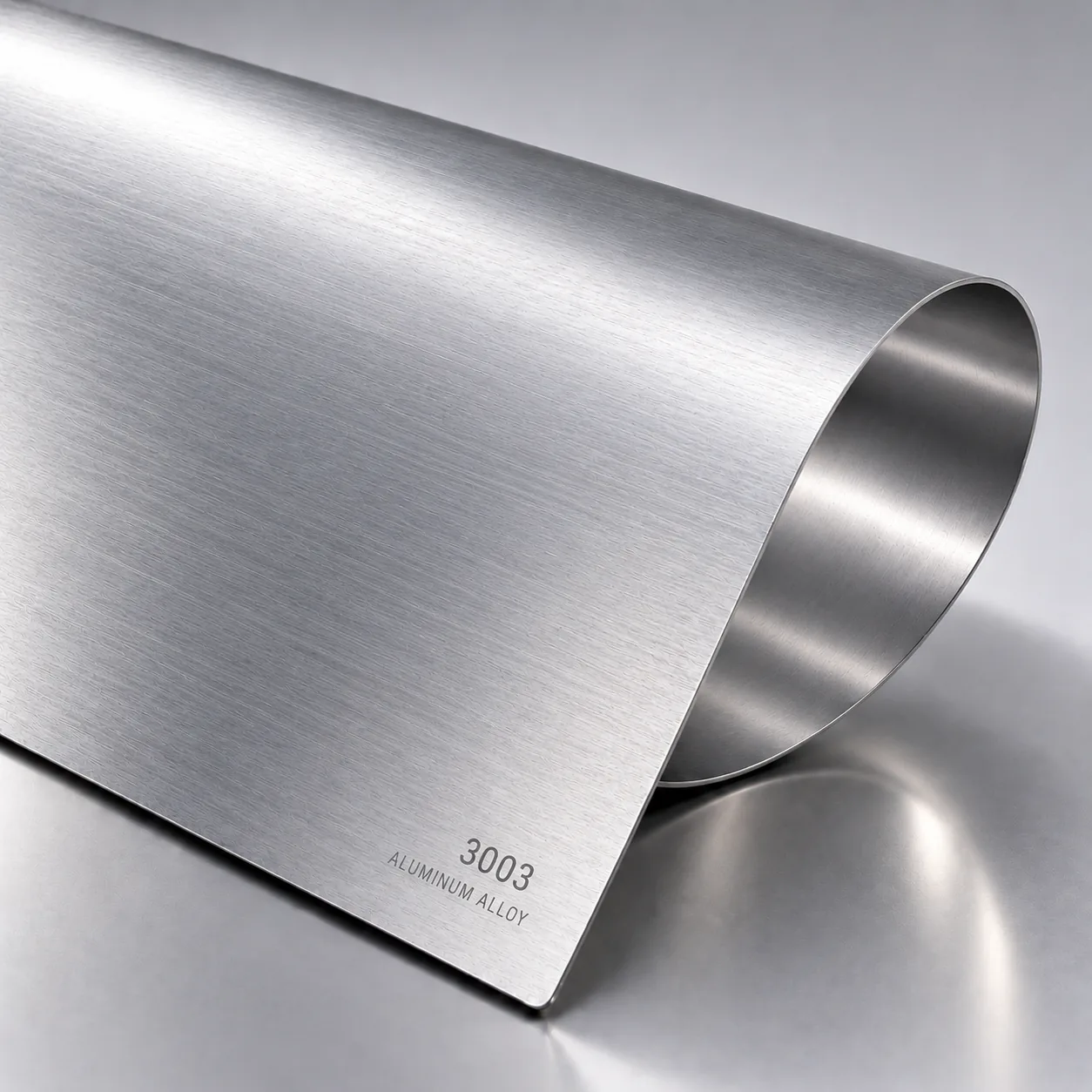
Choose sheet metal material in this order: what the environment will do to it, what forming it must survive, what finish it must accept, and only then what it costs. Getting the order wrong is why so many projects end up in a corrosion-resistant steel that will not take the bend they need.
Environment first, because it cannot be fixed later
Indoor, dry and temperature-stable is the easy case: cold-rolled steel with a powder coat handles it, and it is the cheapest answer on the list. Add humidity, condensation or a washdown and zinc-coated steel becomes the sensible default, because the coating protects cut edges that a paint film will not cover properly.
Coastal, chemical or sterilisation duty changes the answer entirely. Here the question is not which coating lasts longest but whether any coating is acceptable — because every coating has an edge, a scratch and a fixing that will eventually become the corrosion site. That is when stainless becomes the requirement rather than the upgrade.
Forming behaviour, which is where projects get surprised
Two grades that look interchangeable on a data sheet behave very differently in a press brake. 5052 aluminium forms forgivingly and will take a reasonably tight bend; 6061 of the same thickness is far more likely to crack at the same radius, especially across the rolling direction. Austenitic stainless work-hardens as it forms, so the second bend in a tight sequence needs more force than the first.
None of this is a reason to avoid a material. It is a reason to check the minimum bend radius against the actual grade and temper before the drawing is released, rather than asking the shop to make an under-radius bend work.
| Material | Good at | Bad at |
|---|---|---|
| Cold-rolled steel (SPCC) | Forming, welding, cost | Corrodes readily; needs a finish if exposed |
| Zinc-coated (SGCC, SECC) | Corrosion without painting; electrical work | Weld quality drops; coating burns at the weld |
| 304 stainless | Corrosion resistance, food contact, appearance | Work-hardens; harder on tooling; material premium |
| 316 / 316L stainless | Chloride and chemical environments | Cost, and slower cutting at thickness |
| 5052 aluminium | Formability, weight, anodising | Lower stiffness than steel at the same thickness |
| 6061 aluminium | Strength, machinability, anodising | Bend cracking at tight radii; less forgiving |
| Copper / brass | Conductivity, shielding, decorative finish | Cost; soft; scratches easily |
The grades we hold, and what each one is bad at
Finish compatibility is a constraint, not an afterthought
Anodising only works on aluminium, and it converts the surface rather than covering it, so a scratch in service stays visible. Powder coating hides a substrate but must be masked off anything conductive or sealing. Zinc plating brings its own hydrogen-embrittlement consideration on high-strength parts, and it changes the thread fit on small fasteners.
The practical consequence is that material and finish are one decision. Choosing the material first and the finish later is how you arrive at "we specified 304 because it is better" and then pay for a stainless part that did not need to be stainless.
- State the temper or condition, not just the alloy. 5052-H32 and 6061-T6 behave differently.
- Where a bend is tight, increase the radius or move the bend off the cross-grain direction before changing the material.
- Where weight matters, stiffness scales with thickness cubed — a slightly thicker aluminium part can beat a thinner steel one.
- Where dissimilar metals meet in a wet environment, plan the barrier or the coating rather than leaving it to assembly.
Frequently asked questions
Is stainless always the better material?
No. It is the correct material when corrosion or hygiene is the governing requirement, and it is an expensive default when it is not. For indoor equipment, coated steel usually performs as well for less, and 304 is harder to form and slower to cut, so the premium is larger than the material price alone suggests.
What is the difference between 5052 and 6061 aluminium?
5052 is a forming alloy — it bends to tighter radii and is the safer choice for anything folded. 6061 is stronger and machines better but cracks more readily at tight bend radii, especially across the grain. Pick 6061 when the part is machined, 5052 when it is formed.
How do I choose a thickness?
From the duty, then verify against the constraints. Thickness sets the minimum hole size, corner radius, flange length and bend force, so increasing it tightens everything else. Where the driver is stiffness, a formed rib or a return flange usually costs less than a heavier gauge.
Can you form an under-radius bend?
Not reliably, and not repeatably. Below the minimum radius for the material and temper the outer surface cracks, and the failure often appears after forming rather than during it. Where a tight radius is genuinely required we would rather change the material or add a relief at design stage than chase it in the press.
Do you supply material certificates?
Yes, on request and normally at no extra cost for a production order. Certificates are especially worth asking for where the part carries a structural or regulatory requirement, or where the material grade is the thing you are being audited on.
Send the drawing, get a real answer
An engineer reviews your model for manufacturability and returns a costed quotation — with the DFM observations that would change the price.