
Nesting and Material Utilisation: Worked Examples
A model with worked layouts, not a survey. The arithmetic below is the same nesting logic the software applies; what it demonstrates is that utilisation is a design outcome, not a cutting outcome.
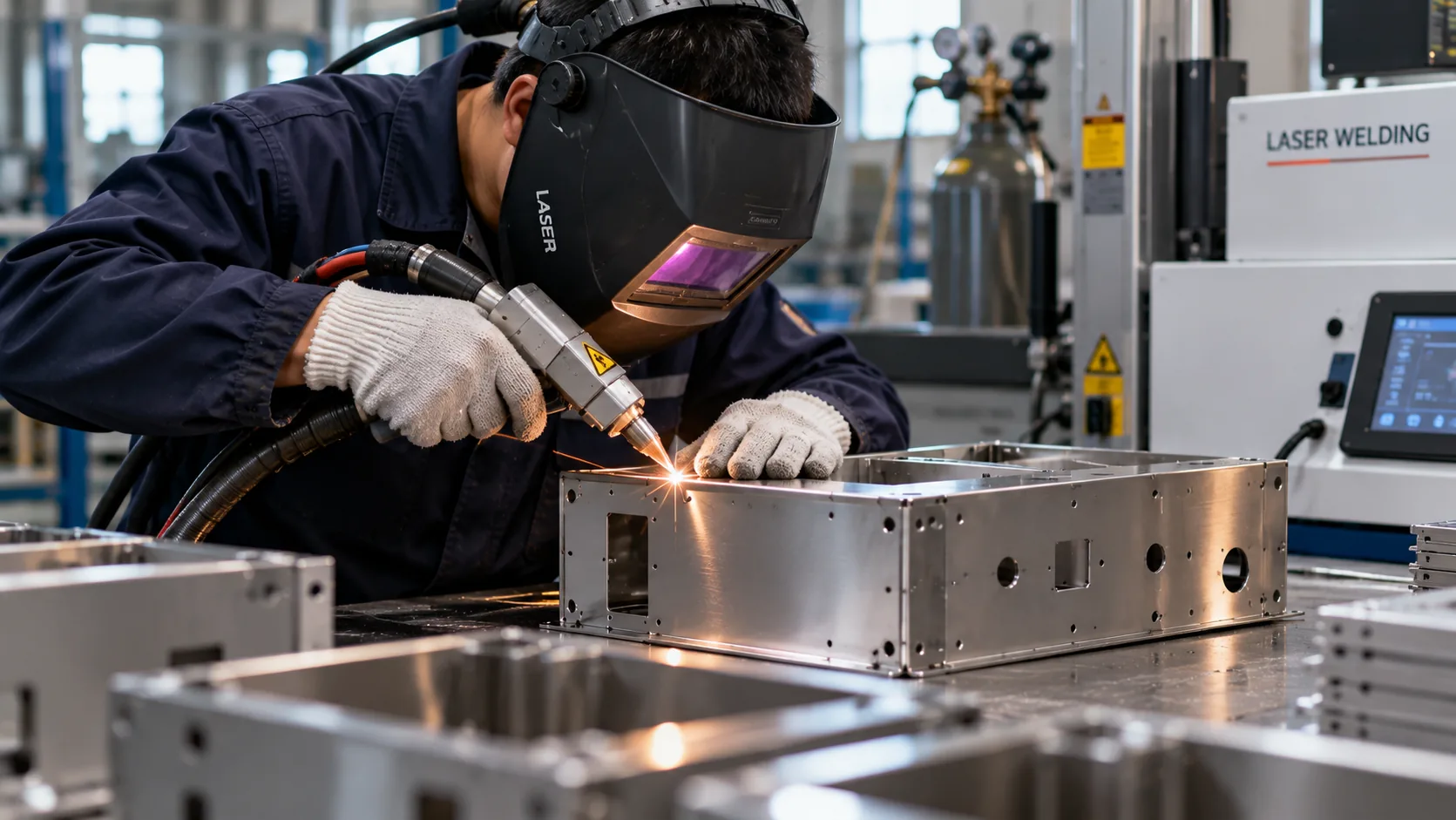
Material utilisation is the share of the sheet that ends up in parts rather than scrap. It depends on part shape and nest layout, not on part area: the same batch of parts can consume materially more sheet in one nest than another. Designing parts that tessellate is a real and often free cost reduction.
What utilisation actually measures
Utilisation is part area divided by sheet area consumed, including the web between parts, the margins at the sheet edges, and the trim at the end of the sheet. The web is the part people forget: leave 5 mm between parts and 5 mm around the nest on a small part, and the web can easily be a third of the sheet.
That is why utilisation is so sensitive to part size. On a large panel, a 5 mm web is negligible. On a small bracket, the same 5 mm web is the majority of what is wasted — so the way to improve utilisation on small parts is to nest more of them together, not to cut faster.
Four layouts, same parts
The differences between these rows are large enough to matter: on small parts, moving from a single-part nest to a family nest with interlocking orientation commonly changes sheet consumption by a fifth or more. None of that requires a design change to the part — only to how the batch is ordered.
- Single part, one per hit, generous web
- Highest · Edge margins and web dominate; the nest is mostly not-part
- Same part, tightly nested at one orientation
- Lower · Web reduced but a curved or angled outline still leaves gaps
- Alternating orientation, straight edges interlocked
- Lower again · Part outlines tessellate where the shape allows
- Family nest of several part sizes
- Usually lowest · Small parts fill the gaps left by large ones
Shape decisions that improve utilisation
- Right angles and straight edges tessellate; sweeping curves leave crescent scrap.
- A part whose outline contains a concave feature can sometimes be nested around its own neighbour.
- Ordering several sizes together lets small parts fill the gaps around large ones.
- Standardising on fewer thicknesses lets a project share one sheet instead of paying edge margins on several.
- Moving a single hole or notch can sometimes unlock a tighter nest; cluster features rather than spreading them.
Where utilisation should not be optimised
Two costs sit outside the nest calculation. Grain or rolling direction, where the drawing requires it, restricts rotation and can cost a significant share of utilisation — but the part will crack if it is ignored. And part quality: packing parts so tightly that the kerf has nowhere to vent causes dross and cut-edge damage, which costs more than the sheet saved.
The honest measure is material cost per acceptable part, not utilisation percentage. A nest that saves eight per cent of sheet and produces a two per cent reject rate has not saved anything.
Frequently asked questions
What is a good material utilisation rate?
It depends almost entirely on part size and shape, so a single figure is not meaningful. Large rectangular panels can exceed ninety per cent. Small irregular brackets in a single-part nest may struggle to reach half that. The useful comparison is the same batch in two different nests, not against a benchmark.
Can you nest parts from different jobs together?
Where the material, thickness and finish allow, yes, and it is one of the cheapest ways to improve utilisation — small parts fill the gaps around large ones. It does require the jobs to be in the shop at the same time, which is an argument for batching orders rather than placing many small ones.
Does grain direction really reduce utilisation?
It can, substantially, because it prevents rotating a part to interlock with its neighbour. Where the drawing genuinely requires a grain direction, that cost is real and unavoidable. Where it does not, removing the note is a free improvement.
How much web is needed between parts?
Enough that the cut can vent and the parts can be separated without damage. Too little and dross or heat builds up between adjacent cuts; too much and you are paying for scrap. It is a per-material decision, and it is why a nesting programme is tuned rather than set once.
Would a different process improve utilisation?
For very high volumes, a stamping die has a fundamentally different constraint: the strip layout. Whether it beats nesting depends on how well the part tessellates and on the volume. We run both layouts on a candidate part rather than assuming one is better.
Send the drawing, get a real answer
An engineer reviews your model for manufacturability and returns a costed quotation — with the DFM observations that would change the price.