What Die Tryout means
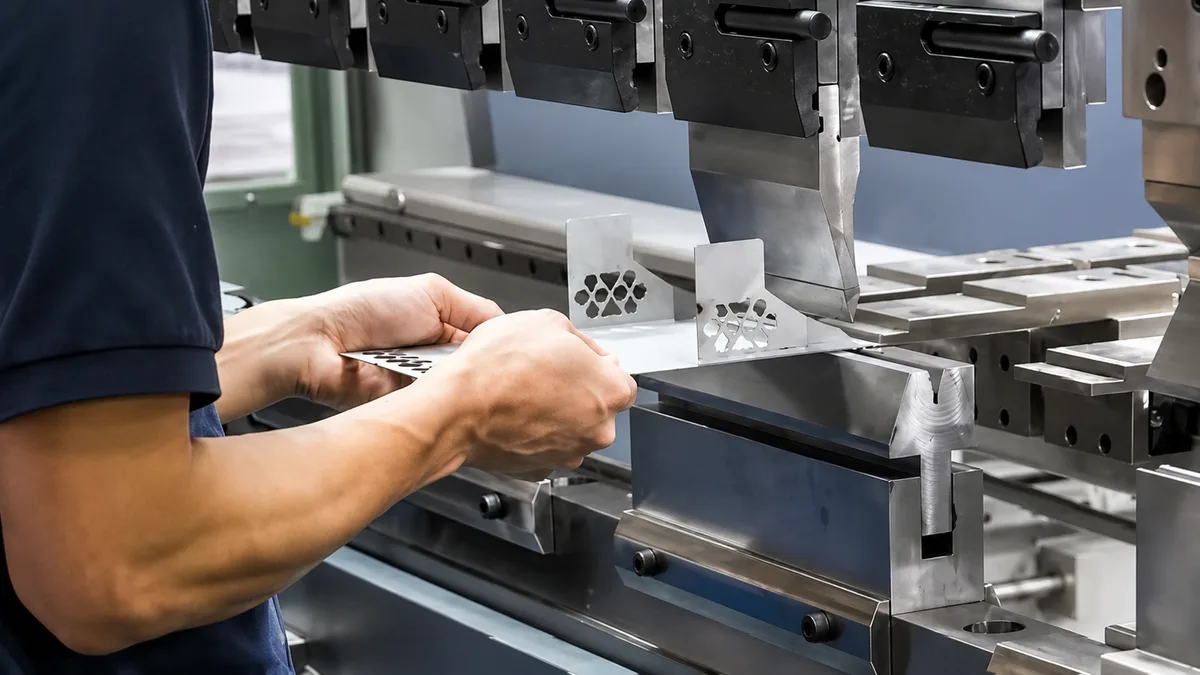
Die tryout is the first production of a newly built tool: short runs on the press, measured parts, and a disciplined list of what the die got wrong. No design survives contact with real coil unchanged — springback lands where the simulation missed, a form thins where the blank flow ran differently, a pilot wears early. Tryout is where those findings become die corrections.
Why it matters on the shop floor
For a buyer, tryout is why a first article takes longer than a repeat order, and why the honest answer to "can you skip it" is no. A die released to production without tryout pushes the correction cost downstream — into scrapped parts, late deliveries and rework that costs more than the tryout days it skipped. The deliverable from tryout is a die that makes the print, plus first-article parts that prove it.
What to remember
- Expect it: first-off parts from a new die are measured against the print, not assumed good.
- Corrections found in tryout are die steel and shop hours — the same corrections found in production are your delivery.
- Deep draws and tight forms are where tryout runs longest; blank development is corrected against real material flow.