İçindekiler
Doğru Sac Metal Malzemeyi Nasıl Seçersiniz
Malzeme seçimi, kesme hızı, bükme yarıçapı, kaynak parametreleri, yüzey işlem seçenekleri ve birim maliyet gibi tüm sonraki süreçleri etkileyen tek karardır.
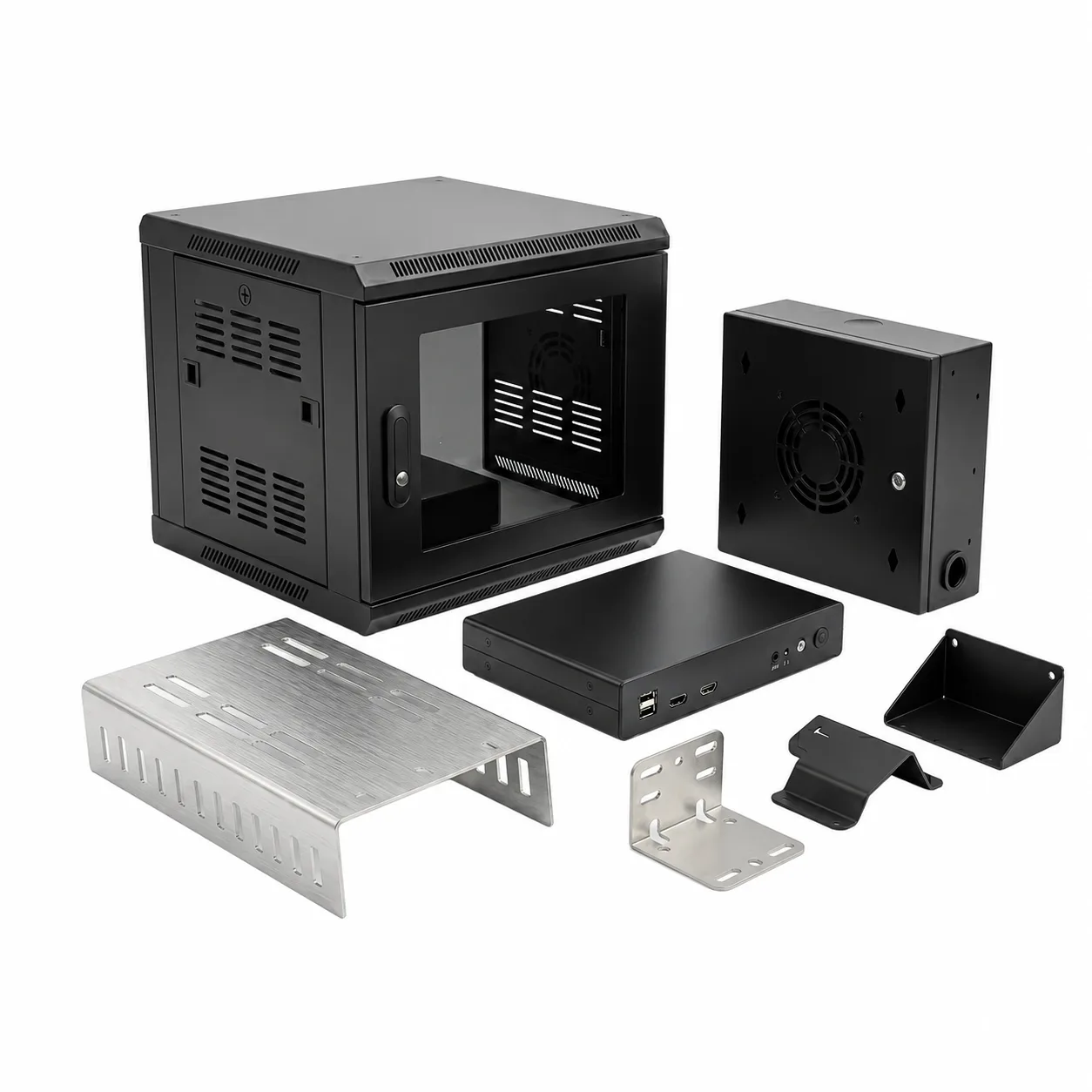
Karbon Çelik: Sanayinin Omurgası
Soğuk haddelenmiş çelik (CRS) ve sıcak haddelenmiş çelik (HRS) dünya çapında sac metal parçalarının büyük çoğunluğunu oluşturur.
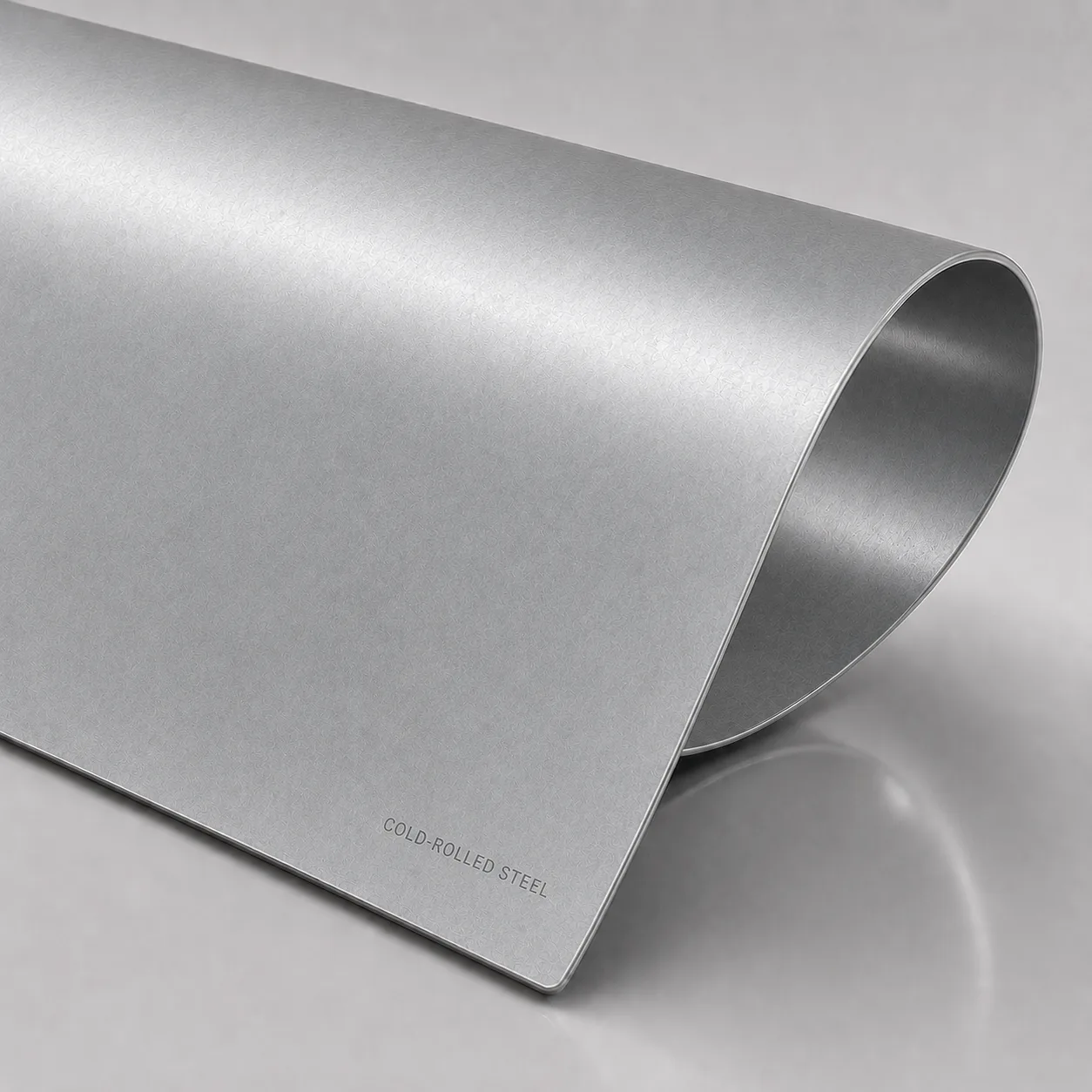
- Typical gauges stocked: 0.5, 0.8, 1.0, 1.2, 1.5, 2.0, 2.5, 3.0 mm
- Yield strength: 200–280 MPa (CRS) depending on grade and temper
- Minimum bend radius: 0.5T–1T (perpendicular to grain)
- Laser cutting: excellent — high absorption at 1064 nm, clean edge with oxygen assist
- Requires surface treatment for corrosion protection: powder coat, zinc plate, or paint
- Cost: lowest among common sheet metals ($0.80–$1.50/kg for standard gauges)
Paslanmaz Çelik: Kaplama Olmaksızın Korozyona Direnç
Paslanmaz çelik alaşımları en az %10.5 krom içerir.
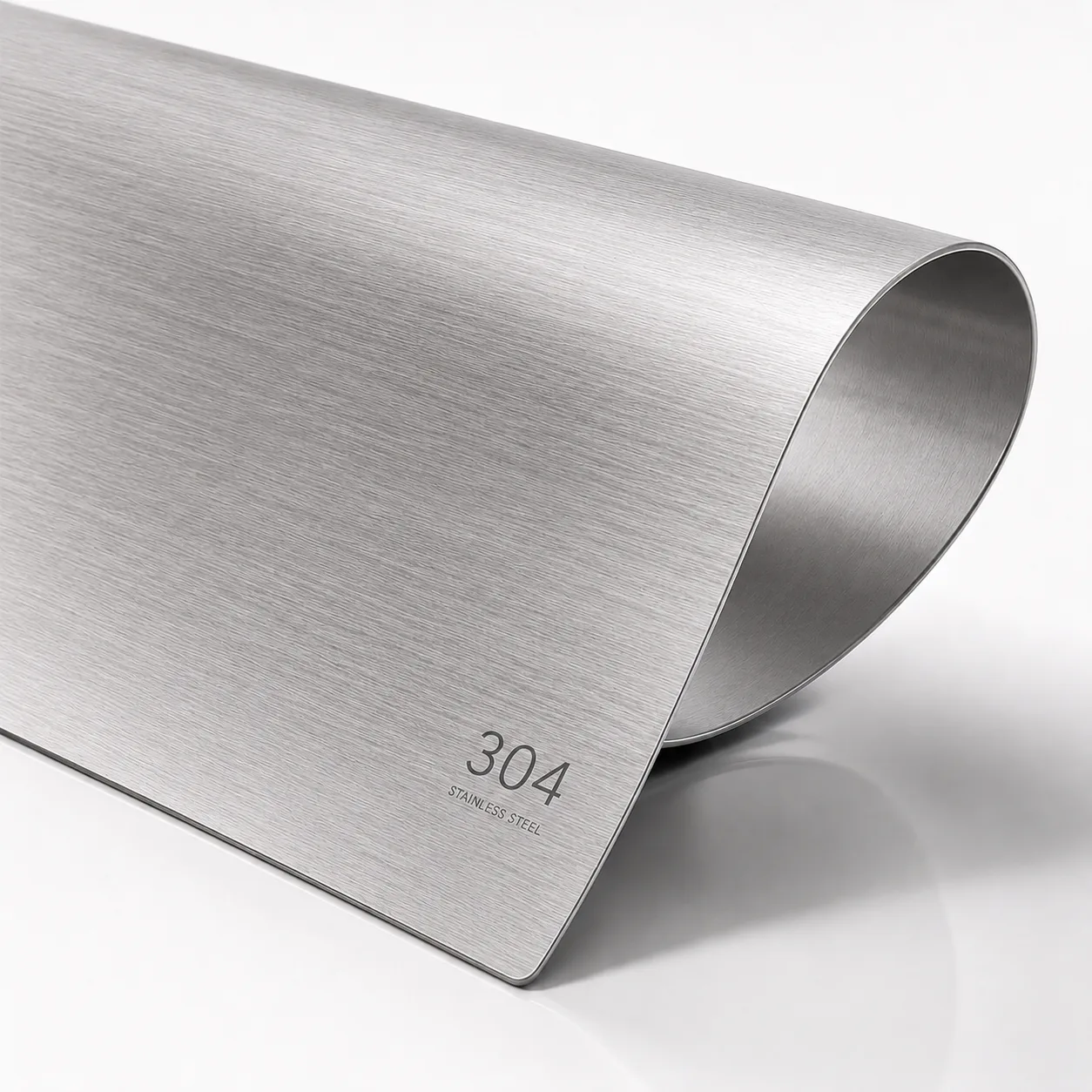
- 304 (1.4301): excellent formability, non-magnetic when annealed, 515 MPa UTS
- 316 (1.4401): added molybdenum for chloride resistance, 515 MPa UTS
- 430 (1.4016): ferritic, magnetic, lower cost, 450 MPa UTS — limited weldability
- Surface finish options: 2B (matte), No. 4 (brushed), mirror, bead-blast
- Minimum bend radius: 0.5T (304 annealed) to 4T (304 hard-temper)
- Cost: 2.5–4× mild steel — driven primarily by nickel and chromium content
Common Mistake
Specifying "stainless steel" without the grade leaves the material choice to the fabricator. Grade 430 costs 30–40% less than 304 but has significantly lower corrosion resistance and limited weldability. Always specify the exact UNS or EN number (e.g., UNS S30400, 1.4301).
Alüminyum Alaşımları: Hafif ve Çok Yönlü
Alüminyum sac, çeliğin yaklaşık üçte biri yoğunluğa sahiptir.
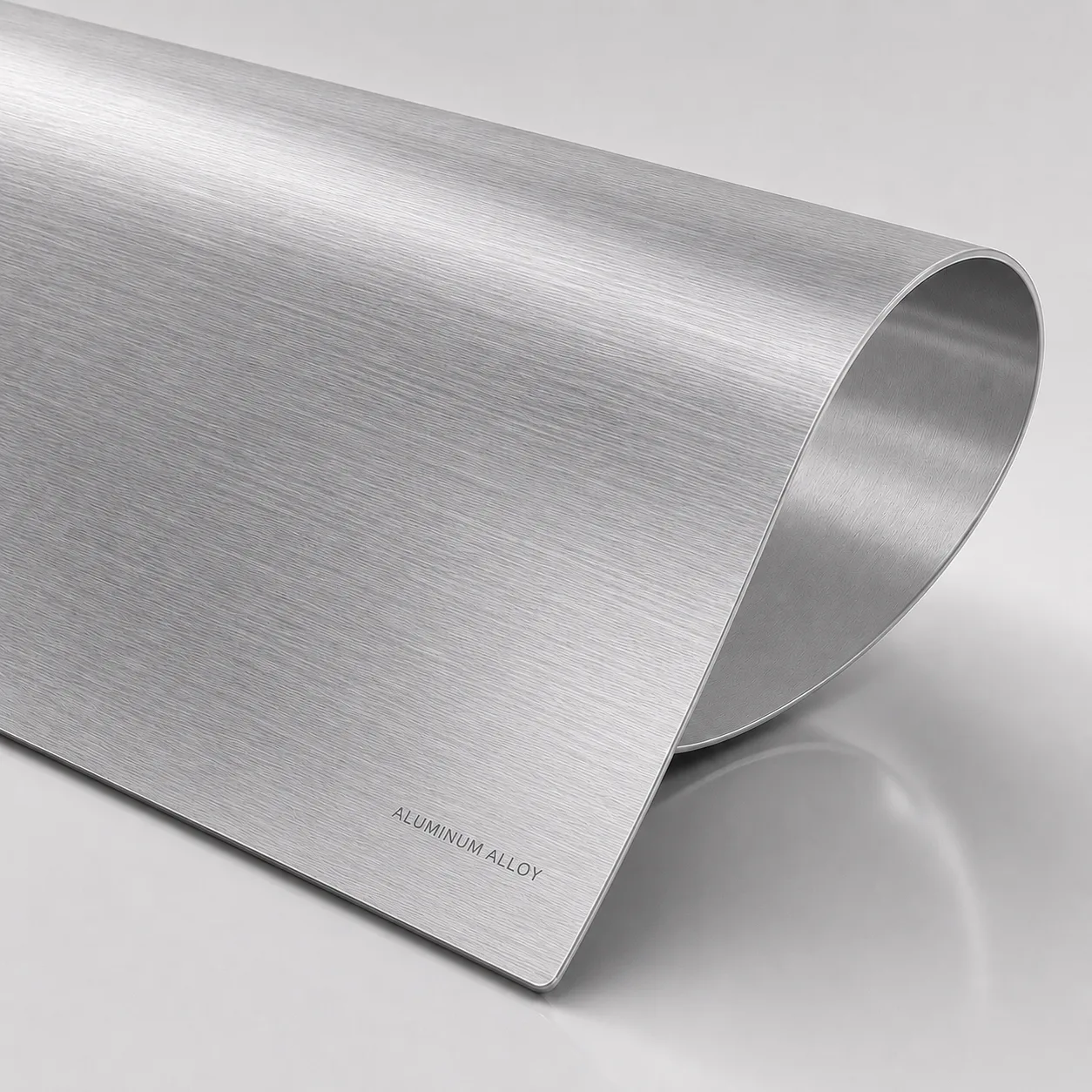
- 5052-H32: the default for formed parts — good elongation (10–12%, varies by thickness per ASTM B209), excellent corrosion resistance
- 6061-T6: higher strength (276 MPa yield) but limited formability — minimum bend radius 2T–4T
- 3003-H14: lowest cost aluminum, moderate strength, good for non-structural panels
- Anodizing compatibility: 5052 and 6061 anodize well; 3003 produces inconsistent color
- Laser cutting: highly reflective at 1064 nm — requires 2+ kW fiber source; cuts clean with nitrogen assist
- Cost: 1.5–2.5× mild steel — varies significantly with alloy and temper
Bakır ve Pirinç: Elektriksel ve Estetik Uygulamalar
Bakır (C110), elektriksel veya termal iletkenlik gerektiğinde seçilir.
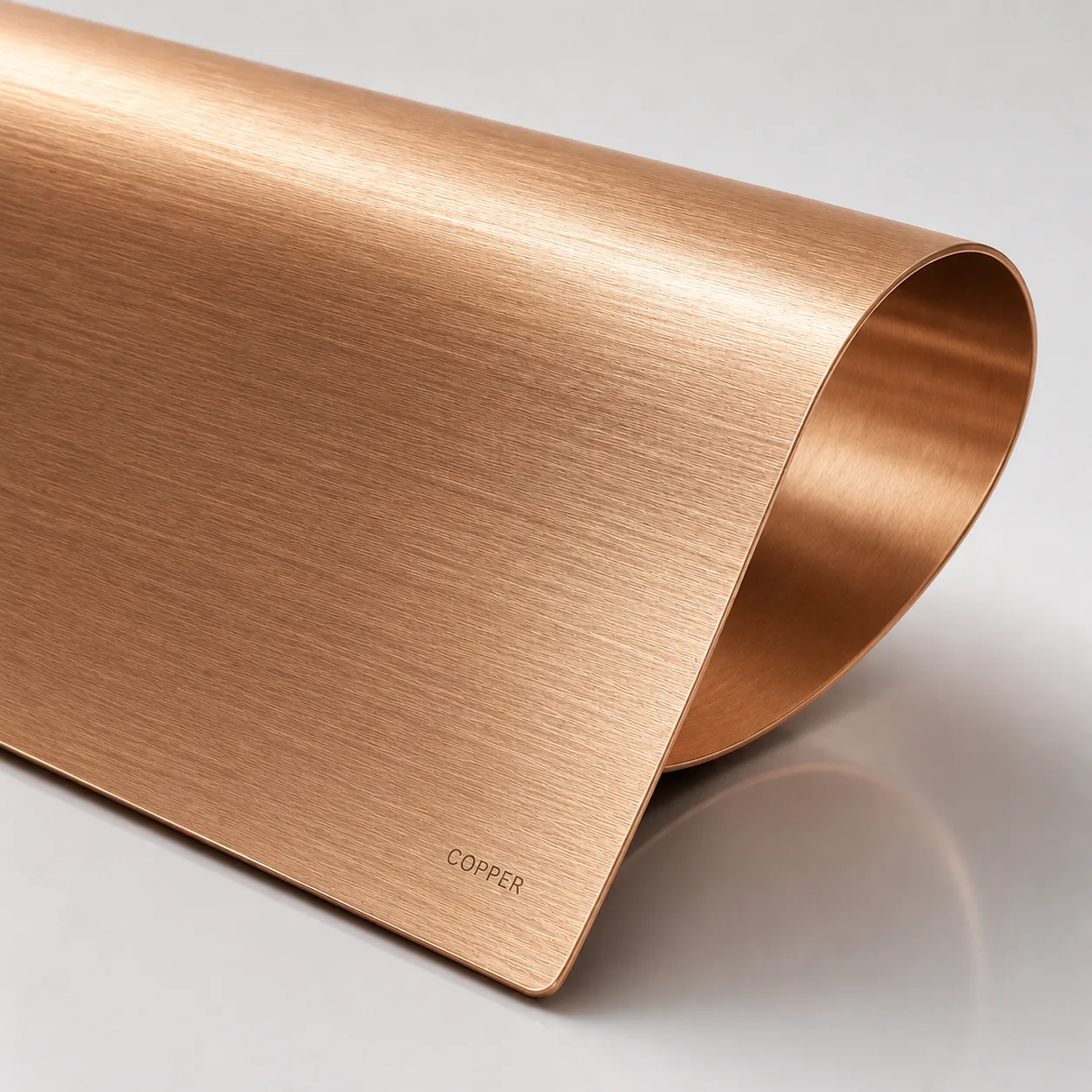
- Copper C110: 101% IACS conductivity, 220 MPa UTS, excellent formability
- Brass C260: 70/30 cartridge brass, 325 MPa UTS, good spring-back characteristics
- Laser cutting: requires high-power fiber (4+ kW minimum) due to reflectivity at 1064 nm
- Surface finish: copper develops patina naturally; clear lacquer or tin plating preserves color
- Cost: 4–8× mild steel — copper pricing is volatile and commodity-driven
Malzeme Karşılaştırma Tablosu
The table below compares the most commonly specified alloys across key fabrication and performance metrics.
| Property | CR Steel (A36) | SS 304 | SS 316 | AL 5052-H32 | AL 6061-T6 | Copper C110 |
|---|---|---|---|---|---|---|
| Density (g/cm³) | 7.85 | 7.93 | 7.93 | 2.68 | 2.70 | 8.96 |
| Yield Strength (MPa) | 220–280 | 205–310 | 205–310 | 193 | 276 | 70–210 |
| Min Bend Radius | 0.5T | 0.5T–1T | 0.5T–1T | 1T | 2T–4T | 0.25T |
| Laser Cut Speed (relative) | 1.0× | 0.7× | 0.6× | 1.3× | 1.2× | 0.5× |
| Corrosion Resistance | Low (needs coating) | High | Very High | High | Moderate | Moderate |
| Weldability | Excellent | Excellent | Excellent | Good (MIG/TIG) | Fair (cracking risk) | Good |
| Anodize Compatible | No | No | No | Yes | Yes | No |
| Relative Cost | 1.0× | 2.5–3.5× | 3–4× | 1.5–2× | 2–2.5× | 4–8× |
Şekillendirme ve Minimum Bükme Yarıçapı
Bükme yarıçapı, malzeme seçiminde belirleyici faktör olabilir.
| Material | Alloy / Temper | 0.5–1.0 mm | 1.0–2.0 mm | 2.0–3.2 mm | 3.2–6.0 mm |
|---|---|---|---|---|---|
| Mild Steel | CRS / A36 | 0.5T | 0.75T | 1T | 1.5T |
| Stainless 304 | Annealed | 0.5T | 0.75T | 1T | 1.5T |
| Stainless 304 | Half-Hard | 2T | 2.5T | 3T | 4T |
| Aluminum | 5052-H32 | 1T | 1T | 1.5T | 2T |
| Aluminum | 6061-T6 | 1.5T | 2T | 2.5T | 3T |
| Aluminum | 5052-O (Soft) | 0.25T | 0.5T | 0.5T | 1T |
| Brass | C2680 Soft | 0.5T | 0.75T | 1T | 1.5T |
| Copper | C110 Annealed | 0.25T | 0.5T | 0.5T | 1T |
| Titanium | CP Grade 2 | 1.5T | 2T | 2.5T | 3T |
K-Factor Quick Reference
For flat-pattern development, the K-factor shifts the neutral axis during bending. A commonly cited starting value is 0.44 for 90° bends in mild steel; use 0.35–0.40 for harder tempers or tighter R/T ratios. Actual K-factor depends on material, bend angle, and inside radius — validate with a test bend for critical parts. Grain direction matters: bending perpendicular to the rolling direction can significantly reduce the effective minimum bend radius.
SSS
Yazan
Tom
Kıdemli Süreç Mühendisi
Sac metal işçiliği, CNC tezgah işçiliği ve yüzey işleme konusunda uzmanlaşmış deneyimli bir üretim mühendisi. Mühendislerin bilinçli tedarik kararları almasına yardımcı olmak için pratik rehberler yazar.
Projenize başlamaya hazır mısınız?
24 saat içinde DFM geri bildirimi ve teklif alın. Minimum sipariş miktarı yok.